Can Damaged Hair Be Repaired? 9 Tips That Really Work
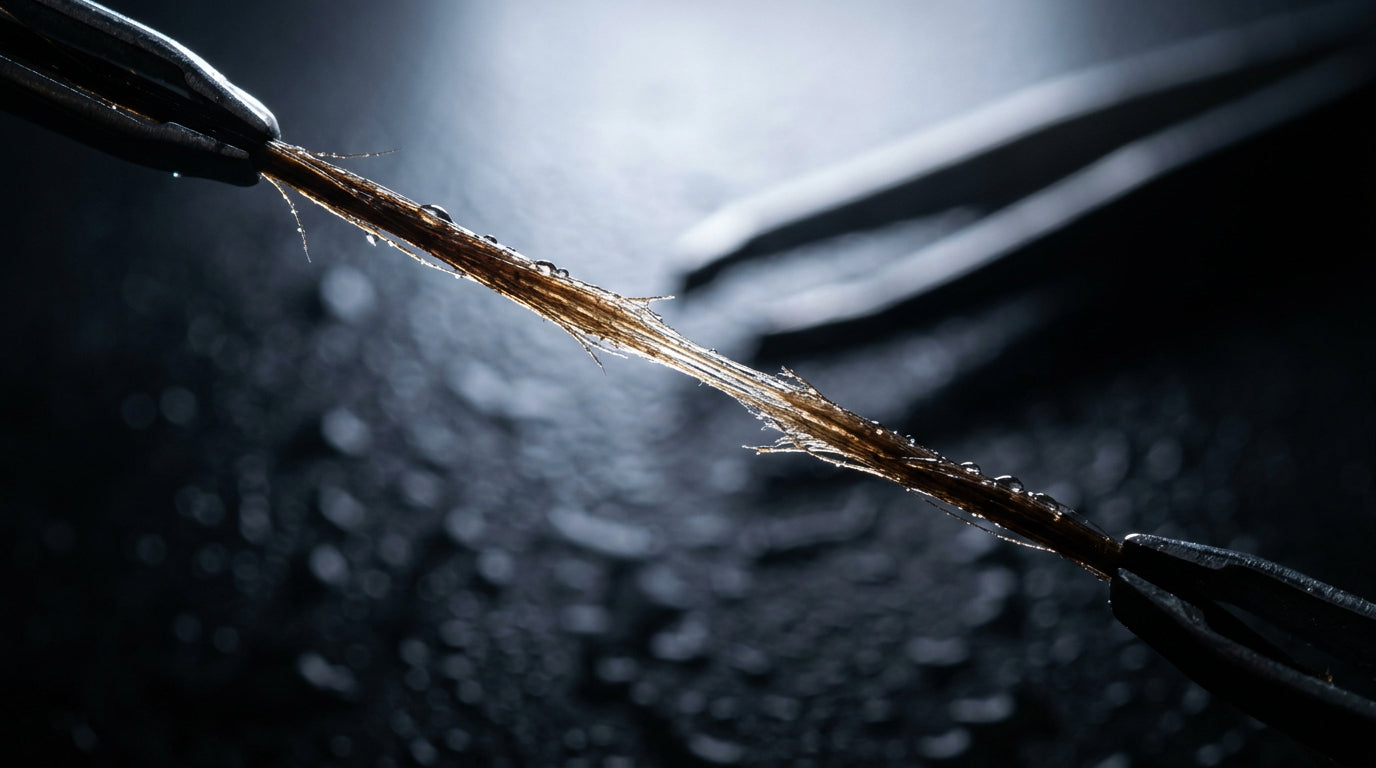
Can damaged hair be repaired? Not the way skin heals. The hair you can see is no longer living tissue, so a broken cuticle does not close on its own and a split end never seals back together. That is the honest answer, and it is the one worth starting from.
What can change is everything else. Damaged hair can be smoothed, strengthened and protected, so it feels softer, tangles less and breaks far less often. The nine steps below are the ones that make that difference, including the point where a strategic trim does more for your hair than any product will.
Damage rarely arrives all at once. It tends to reveal itself gradually through frizz that does not settle, curls that lose their shape, faded color, or delicate strands that begin snapping during brushing.
The right routine cannot erase every structural change. It can, however, make your hair feel beautifully cared for again—softer, more flexible, easier to manage, and better protected while permanently damaged areas are gradually trimmed away.
Is there a cure for damaged hair?
There is no biological cure for damaged hair once the visible strand has been permanently altered. Your hair shaft does not contain living cells, so it cannot heal itself in the way your skin can.
That sounds definitive, but it does not mean damaged hair is beyond help.
Hair is made primarily of keratin, with an outer cuticle protecting the inner cortex. When that cuticle becomes worn or lifted, the strand loses some of its natural defense against friction, moisture loss, and breakage.
Thoughtful cosmetic care can make a meaningful difference. It can condition the surface, soften roughness, reduce friction, reinforce vulnerable areas, improve moisture retention, and temporarily smooth a disrupted cuticle.
The distinction is subtle but important:
-
Permanent repair would return a severely damaged fiber to its original structure.
-
Cosmetic restoration improves how your hair feels, looks, moves, and responds to daily styling.
-
Trimming removes split or structurally compromised ends that cannot be restored.
When hair looks lifeless or breaks easily, it has usually lost both softness and structural integrity. The right care can make those strands feel noticeably better, but split ends still need to be removed.
Think of restoration as helping your hair become its most polished, manageable version in its current condition—not pretending the damage never happened.
What causes hair damage?

Hair damage usually develops through repetition. One blowout, color appointment, or afternoon in the sun is rarely the entire story.
More often, several small stresses begin to overlap. Heat meets chemical processing, dryness meets friction, and the hair gradually loses the smoothness and resilience it once had.
Excessive heat
Flat irons, curling irons, hot combs, and blow-dryers can affect the cuticle and increase moisture loss, particularly when they are used frequently or at temperatures higher than your hair needs.
You may notice the change first at the ends. They stop falling smoothly, begin catching against one another, or develop a dry texture that styling products only disguise for a few hours.
Applying direct heat to damp hair can be especially stressful. Understanding how heat affects your hair starts with what happens inside the strand: water heats rapidly, while repeated passes over the same section create additional friction.
Heat does not need to disappear from your routine. It simply needs to become more intentional.
Chemical processing
Bleach, permanent color, relaxers, perms, and chemical straightening services reshape the hair by altering its internal structure.
These services can create beautiful results, but they may also increase porosity and leave the hair more vulnerable to roughness, fading, tangling, and breakage.
The most fragile areas are often the lengths that have already been processed. When bleach or color overlaps with those sections, the hair may lose more of its flexibility and strength.
Combining several chemical services within a short period can intensify that effect. Your hair may still look polished at first, while becoming increasingly delicate underneath.
Mechanical stress
Some of the most common sources of damage are also the easiest to overlook.
Rough towel drying, hurried detangling, tight hairstyles, extensions, and constant friction against clothing or bedding can gradually wear away the cuticle.
Wet hair deserves particular patience. It stretches more easily, so pulling a brush through stubborn knots can place considerable tension on already weakened sections.
A gentler touch may feel like a small adjustment, but over time it can change how much length you retain.
Environmental exposure
Sunlight, dry indoor heating, shifting humidity, wind, salt water, chlorine, and urban pollution all influence how your hair feels and behaves.
A single day outdoors may not create visible damage. Repeated exposure, however, can deepen the weathering already caused by heat, color, and everyday styling.
In everyday life, for example, your hair is exposed to shifts between humid sidewalks, air-conditioned interiors, winter wind, and overheated rooms. Those constant transitions can leave vulnerable strands feeling less balanced.
How to tell whether your hair is damaged or just dry

Damaged hair and dry hair can look remarkably similar. Both may feel rough, appear dull, or develop more frizz than usual.
The difference often becomes clearer after conditioning.
Hair that mainly needs moisture usually responds. It feels softer, moves more naturally, and becomes easier to detangle once the right conditioning step is introduced.
Damage tends to linger. The hair may feel better temporarily, yet continue showing weakness, irregular texture, splitting, or breakage.
Common signs include:
-
Split, frayed, or white-dotted ends
-
Short broken pieces throughout the lengths
-
Excessive tangling
-
A rough or uneven surface
-
Reduced elasticity
-
A gummy texture when wet
-
Increased porosity
-
Reduced curl definition
-
Unusually rapid color fading
-
Persistent stiffness at the ends after conditioning
One of the clearest clues is contrast. The hair near your roots may feel smooth and responsive, while the older lengths seem rougher, thinner, or increasingly difficult to style.
Persistent shedding from the root is different from breakage along the strand. When the cuticle is worn and elasticity is reduced, the fiber tolerates less tension, which helps explain why your hair breaks so easily during washing, brushing, or styling.
How to fix damaged hair: 9 practical tips

If you are wondering how to fix extremely damaged hair, begin by working in two directions: improve how your current lengths feel while protecting the healthier hair that is still growing.
The goal is not perfection after one wash. It is steady, visible progress: fewer tangles, softer ends, better movement, less breakage, and easier styling.
1. Remove split and severely compromised ends
No mask or serum can permanently fuse a split end back into its original state. Once the fiber has separated, a precise trim is the most effective solution.
That does not automatically mean sacrificing all the length you have worked to grow.
Regular dusting or smaller trims can remove the most fragile sections while preserving the overall shape. A thoughtful cut often makes the remaining hair look fuller, smoother, and more intentional.
When the ends feel gummy, repeatedly snap, or show splitting well above the perimeter, a stylist can help determine how much truly needs to be removed.
Sometimes, taking away a little damage allows the rest of your hair to move beautifully again.
2. Pause or space out chemical services
When your hair feels extremely fragile, giving it time before another chemical service can be one of the most effective forms of care.
Spacing out bleach, relaxers, perms, and permanent color reduces chemical overlap and gives you a clearer sense of how the hair is responding.
Before your next appointment, tell your colorist or stylist everything that has been applied, including at-home color, toners, straightening treatments, and previous corrective services.
That history matters. It helps the professional make a more refined decision about timing, placement, and the level of processing your hair can tolerate.
Avoid correcting a disappointing chemical result immediately at home. Several rapid processes can turn manageable dryness into widespread breakage.
3. Lower the temperature of your hot tools
More heat does not necessarily create a more polished result.
Use the lowest temperature that gives you the finish you want. Fine, bleached, fragile, or highly porous hair usually needs less heat than dense or resistant hair.
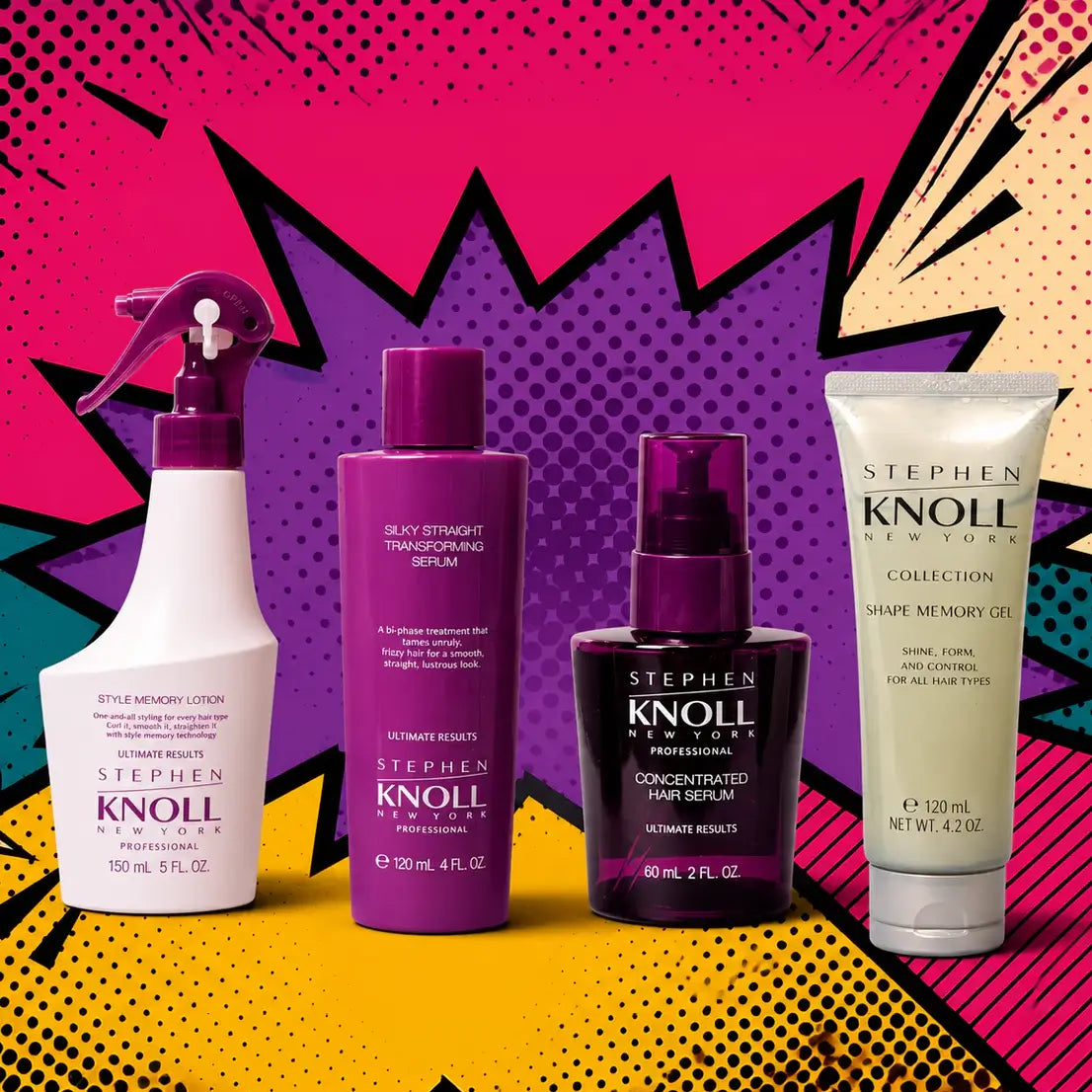
Before blow-drying or using an iron, apply a product specifically labeled for heat protection. Well-chosen styling and finishing products can also help reduce friction and create a smoother finish.
Try to style each section with purpose rather than repeatedly passing the tool over the same area.
Allow your hair to dry partially before blow-drying, and never apply a flat iron or curling iron to damp strands.
The most beautiful heat styling leaves your hair polished without leaving it depleted.
4. Cleanse the scalp without scrubbing the lengths
A good wash begins at the scalp, where oil, perspiration, and product residue naturally collect.
Concentrate your shampoo there. As you rinse, allow the lather to move gently through the lengths instead of piling the hair up and rubbing the ends together.
Your ideal cleansing schedule depends on your scalp, texture, styling habits, and product use. The goal is a fresh, comfortable scalp without repeatedly overworking fragile lengths.
Use lukewarm water rather than very hot water. Before leaving the shower, press out excess water gently instead of twisting or wringing the hair.
Even this quiet part of your routine can either preserve softness or create unnecessary friction.
5. Condition after every shampoo
Conditioner is one of the most dependable steps in a damaged-hair routine.
It improves slip, helps reduce friction, and allows the cuticle to feel smoother. Apply it primarily through the mid-lengths and ends, where older hair usually needs the most support.
Thick, curly, coily, bleached, or highly porous hair may respond beautifully to richer conditioning. Fine hair often prefers lighter textures, smaller amounts, and careful placement away from the roots.
Use the conditioning step as your detangling moment.
Begin at the ends with your fingers or a wide-tooth comb. Work upward slowly, allowing the product to help release knots rather than pulling through them.
The hair should feel supported, not coated. You are looking for softness with movement, not weight without life.
6. Add focused treatments without overloading your routine
When your regular conditioner no longer gives the ends enough softness or slip, a more concentrated treatment can make wash day feel noticeably easier.
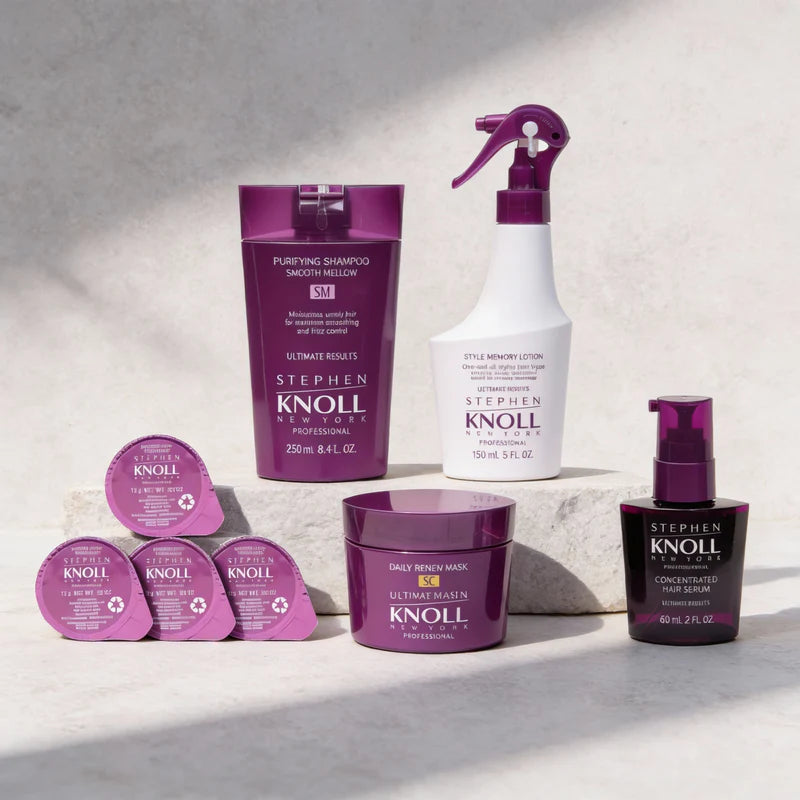
Hair masks are available in different textures, allowing you to choose a level of richness that suits your hair. More concentrated repair treatments can offer additional support between washes.
Some formulas focus on moisture and conditioning. Others contain proteins, amino acids, or bond-supporting ingredients designed to reinforce vulnerable areas.
Among the treatments that damaged hair can benefit from, the most useful are those that leave it feeling more flexible, smoother to the touch, and easier to style.
More product is not always more luxurious. If your hair begins feeling stiff, coated, heavy, or unusually tangled, reduce the frequency.
A refined routine responds to the hair in front of you. It does not follow a rigid schedule simply because a label suggests one.
7. Reduce friction while drying and sleeping
Freshly washed hair does not need to be rubbed dry.
Press or blot it gently with a soft microfiber towel or cotton T-shirt. This removes excess water without creating the roughness that can make vulnerable strands tangle more easily.
At night, loosely secure longer hair to keep it from twisting against itself. A smooth pillowcase, bonnet, or scarf may further reduce friction.
This can be especially helpful for curly, coily, chemically treated, or breakage-prone hair, where preserving definition and preventing knots often go hand in hand.
Avoid going to bed with soaking-wet hair. Damp, tangled strands can stretch and rub against one another as you move during sleep.
A softer morning often begins with how you handled your hair the night before.
8. Protect your hair from repeated tension
A sleek ponytail or polished bun can feel effortless, but repeated tension in the same area may gradually weaken the hair.
Rotate your styles and change the position of your ponytail rather than securing it at the same point every day.
Choose covered elastics, smooth pins, and softer accessories that hold the style without catching the cuticle.
Braids, extensions, buns, and slicked-back looks should feel secure, never painful.
A style that causes tenderness, scalp discomfort, or persistent pulling is too tight. Repeated tension can affect both the hair shaft and, in some cases, the follicle.
Elegance should never depend on discomfort.
9. Protect the healthiest hair you are growing
Existing lengths need thoughtful restoration. Your long-term result, however, also depends on protecting every healthier inch that emerges.
Use heat protection consistently. Avoid unnecessary chemical overlap. Take your time with tangles, and cleanse your scalp according to its actual needs.
These habits may seem simple, but consistency is what allows them to become transformative.
A balanced diet supports normal hair growth, although supplements are not a cosmetic repair treatment.
Unexplained shedding, fatigue, scalp changes, or sudden changes in texture should be discussed with a qualified healthcare professional.
The aim is not to chase a perfect routine. It is to create one your hair can trust.
Stronger-looking hair begins with a considered routine
Damaged hair changes most beautifully when restoration and prevention begin working together. A precise trim removes what cannot be restored, while conditioning, focused treatments, heat protection, and gentler handling help the remaining lengths feel softer and more resilient.
Ultimately, how to repair damaged hair is less about discovering one miracle product and more about building a considered routine—one that reduces stress, supports the fiber, and protects the healthier growth gradually taking its place.


Written by Stephen Knoll